to Health and Human Services

Please come to these actions against City cuts to all services.
Monday, June 21, 12 PM, Demonstration Against City Cuts to Health, Human Service Agency, and Seniors Programs. City Hall Steps. See cuts below. Read SF Bay Guardian's Another Bloody Budget. / See flyer for demonstration. Then at 4 PM: Speak out at the first full Supervisors hearing on Health and Human Service Agency budgets, including senior services.
Monday, June 28, 4 PM, Supervisors' Chambers. The second full Supervisors hearing on Health and Human Service Agency budgets, including senior services. No public comment, but we should make our presence felt.
Cuts to Health Services:
1,600 uninsured San Franciscans will no longer get ongoing outpatient mental health care, only the most severe cases or emergency cases will be treated. This eliminates SF's hard-won policy of equal mental health care for uninsured and insured residents. 1,100 more people will lose mental health care or substance abuse because of cuts to non-profit agencies. Together, this is about a 40% reduction in outpatient treatment. At the Tenderloin Clinic alone, nearly 200 individuals will not receive services. The wait time to see a psychiatrist will increase from 2 1/2 months to 4 months. Individual therapy will no longer be offered. Mental health care will be squeezed to the City's neighborhood clinics, which are so impacted that 1/4 of them cannot offer medical appointment in less than two months. 56 people in a Haight-Ashbury clinic will lose Inpatient mental health care, in a city already hit by closures of inpatient mental care. 1,560 family members and 4,460 single adults living in Single Room Occupancy hotels will lose support services provided by their fellows, which insure their rights, improve conditions, and help them move into affordable housing. 840 people in shelters will lose daytime transportation services except for medical appointments. 199 homebound patients will lose Health at Home services, 48 AIDS/HIV patients and 216 HIV Counselors will lose services in a UCSF HIV prevention program. Housing Subsidies for poor HIV/AIDS patients to be cut 10%, "by a combination of attrition (dying) or modest increases of tenants rent contribution, (but) no existing tenants will lose their housing," according to City's Bielensen document. 290 AIDS/HIV patients will lose counseling services to help them access benefits. 15 minority LGBT youth will lose transitional housing as the Arc of Refuge closes. Medical care of prisoners in City Jails would be awarded to some private contractor, which has led to dangerous medical conditions in prisons around the country. The medical contract would be administered by the Sheriff's Department, not Public Health. Thanks to Jennifer Friedenbach of Coalition on Homelessness for assembling this list. |
Cuts to Human Services:
59 homeless men and women wil lose shelter beds. Permanent supportive housing support services for formerly homeless adults and families reduced by $895,000. Evictions could rise by as much as 20%, as severely impaired residents are unable to live independently without support. Loss of benefits for full month if PAES client misses an appointment, or is sanctioned off welfare for any other reason. This would mean that those 3500 individuals on the PAES program who miss an appointment, or make some other “compliance” error would lose their benefits for a full 30 days, potentially causing homelessness. 97% are housed and have incomes of approx $400 per month. ("PAES provides employable adults with a cash stipend and education, training, mental health, substance abuse and supportive services to gain lasting employment.") Read more. Elimination of rent subsidies for homeless families, closure of program to all new applicants, 43 units ultimately affected. Elmination of Ellis Act eviction defense for 55 clients. Workforce Development program eliminates Individual Referrals in Welfare to Work Services, job training services for homeless adults, and the Comprehensive Transgender Employment Initiative. Eliminates five homeless childcare slots. Thanks to Jennifer Friedenbach of Coalition on Homelessness for assembling this list. |
Cuts to Senior Services totalling $2.2 million
Flash! A new hidden budget-related service cut to IHSS Public Authority On-Call program. Next year’s Human Services Agency-DAAS budget continues last year’s funding of the IHSS Public Authority’s crucial On-Call Program at $82,000. Since On-Call will have expended nearly $138,000 by June 30 this year, the budget is barely half the program's needs for FY 2010-11. On-Call supplies clients with emergency replacement IHSS workers when a regular worker unexpectedly cannot work or has not yet been hired. Without On-Call providers, clients might be left to sleep overnight in a wheelchair or in their beds without assistance to get to the bathroom. Even a day without help might lead to unnecessarily institutionalization. Since On-Call started in 1997, it has expanded to assist people transitioning from a hospital stay or new to IHSS and needing assistance before hiring a regular IHSS worker. Without this service, there will be more calls to 911, unnecessary re-hospitalizations, or ER visits and human suffering. A general fund restoration of only $23,000 plus the $37,000 federal match would be enough funding to continue this vital program. Read more. Congregate Nutrition Program: $515,000 (On Lok, 30th St Senior Center, Self Help for the Elderly, etc) Closes weekend meal sites and has them give seniors ONE cold bag lunch to eat by themselves instead of a hot meal at a congregate site where they can socialize and remain interactive with the community. This is the only meal many seniors get for the whole day. Read more. Respite Services: $8,511 (Institute on Aging) Cuts funding for a program that directly and totally benefits, and gives desperately needed breaks to 20 unpaid caregivers of frail elderly and adults with functional impairments who are San Francisco residents. Every cent is used to provide respite services, no other expense. Hoarding and Cluttering services: $100,000 (Mental Health Association) Reduces eviction of tenants suffering from compulsive hoarding (the largest cause of evictions in San Francisco Single Room Occupancy rooms), and serves as a national model of programs that have effectively provided leadership through a citywide task force, training to residents, information to the broader community, an annual conference on the problem, and support groups for those afflicted. Read more. Housing Counseling and Advocacy: $137,037 (Senior Action Network, Chinatown CDC) Supports senior and disabled residents in SF with general housing advocacy efforts (tenant rights, eviction prevention, etc.) These are the programs that prevent seniors and disabled people from losing housing by falling through the cracks by not knowing their rights as tenants, not knowing new housing opportunities that may arise, and not knowing their obligations to stay in their housing. It will also result in the closure of Senior Action Network. This cut will eliminate housing advocacy, educational sessions for residents and housing counseling for 630 DAAS clients. Naturalization Program Funding: $200,000 (Self Help for the Elderly) 1,410 seniors will not receive services that assist them complete and file naturalization applications and/or to prepare them to pass required citizenship tests. Seniors are denied SSI benefits if they are not US born or naturalized citizens. Community Services/Senior Centers and Activities Centers for Adults with Disabilities: $294,489 This is a 10.2% cut to all Community Service senior centers, over three dozen altogether. Read more. Case Management Program Funding: $300,000 A massive reduction of funding for Case Management services to seniors and people with disabilities. Case Management is long term, one-to-one support for frail elderly and disabled adults. These services prevent people from falling through the cracks into isolation and institutionalization. Cuts to case management for frail seniors will cause elder abuse, institutionalization, and hospitalization to increase. Medical care especially in-patient care, will be compromised because of inadequate support for seniors returning home without anyone to see that their living quarters are safe, they are taking their medicines correctly, they getting food into the house, etc. These problems are made worse by the other cuts to nutrition, health at home, On-Call IHSS, and reduced Senior Center days. Read more. Alzheimer’s Day Care Resource Center (ADCRC) Program: $243,750 (Institute on Aging, Self Help for the Elderly) Eliminates local funding to the ADCRC program affecting day care services for consumers, counseling services for family members and community education. 66 consumers will lose day care services. Read more. Families of participants will lose 1,563 hours of counseling services. 55 hours of community education will be lost. Volunteer Recruitment Services: $62,707 (New Leaf) This will eliminate support for 122 volunteer caregivers who help homebound LGBT seniors, visiting them, making sure they are physically OK or not falling into deep depression from isolation. Read more. Legal Services Funding: $200,000 (Asian Law Caucus, Legal Assistance for the Elderly) Based on current levels of service, 3,190 hours of legal service will be eliminated and 510 fewer consumers being served. This reduction will eliminate the $40K in funding for a Newsletter and will distribute the $160K balance of the reduction proportionately among the Legal Services providers which generate a loss of approximately three full-time employees. Forensic Center Funding: $70,000 (Institute on Aging) Helps consumers develop their legal cases against evictions, being dropped from Medi-Cal, being falsely charged or overcharged by merchants, reverse mortgage abuse and other kinds of elder abuse. Read more. The consumers served by the Forensic Center will lose access to specialists that assist in developing their cases. Also, 1,000 hours of community outreach and education will be cut Senior Companion Program at Family Services Agency. Recruits and manages limited‐income, mobile seniors to provide companionship services 20 hours a week to frail, isolated, and homebound seniors, working directly with their clients to assist with every day living needs, socialization and by doing small errands. Read more. Reduced Case Management Time Study Revenue: $103,500 (Self Help for the Elderly, etc) As presented in the FY 10/11 budget proposal, the Department has developed a process of implementing a new time-study process that draws down additional Federal revenue in the Community Services Block Grant funding. With the reduction in the case management program detailed in the preceding line, staff have reviewed and adjusted the anticipated additional revenue as a result of the cut. Fewer case managers who do time study will result in decreased revenue. Thanks to James Chionsini of Planning for Elders, for supplying this list. |
short link to this page: http://tinyurl.com/28sy2xr
If corrections, additions etc.are needed, please e-mail mlyon01@comcast.net
Phone: 415-552-8800, fax: 415-552-8801
e-mail: graypanther-sf@sbcglobal.net, web: http://graypantherssf.igc.org/
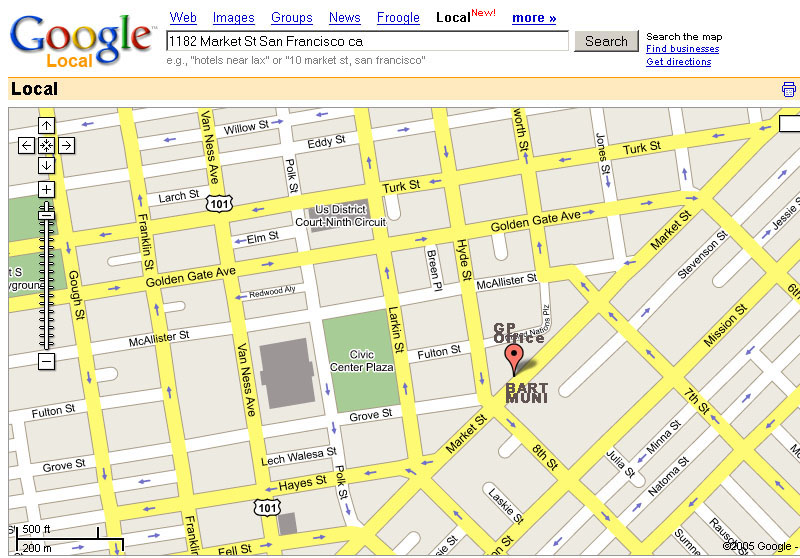
Location: Market Street, at Hyde and 8th Streets,
One door downtown from Orpheum Theater box office. Map
Surface transit: MUNI 5, 6, 7, 9, and 21 buses, and F streetcar
Underground transit: Civic Center Station for BART and MUNI Metro lines J, K, L, M, and N
For regular membership, committee, and Board meetings, click here.